Know Before You Go - Assessing Your Fitness and Health
Hiking safety begins with a self-assessment of your fitness and health. Be honest about your physical capabilities and any medical conditions that could impact your journey. Consult your doctor if necessary, especially before attempting challenging trails or high-altitude hikes. Conditioning your body through regular exercise prior to your adventure can significantly reduce the risk of injuries on the trail.
Equipping Yourself for Safety
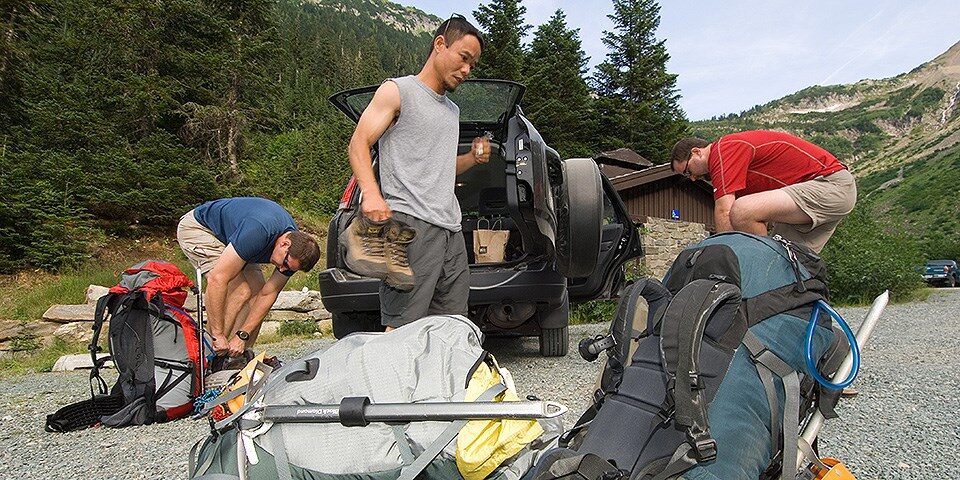
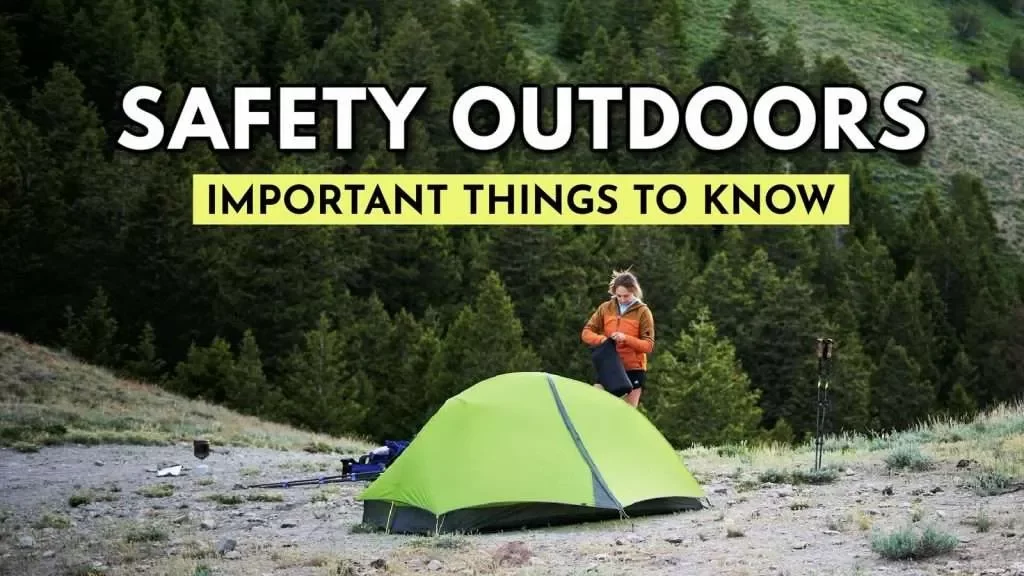
Prioritize safety by packing the right gear. Invest in high-quality hiking boots that provide ankle support and traction. Dress in layers to adapt to changing weather conditions. Carry a well-stocked first aid kit that includes bandages, antiseptics, pain relievers, blister treatment, and any necessary medications. A multi-tool, flashlight, and fire-starting equipment are essential. Additionally, consider a personal locator beacon (PLB) for remote hikes, offering a lifeline in emergencies.
Trail Etiquette and Emergency Preparedness
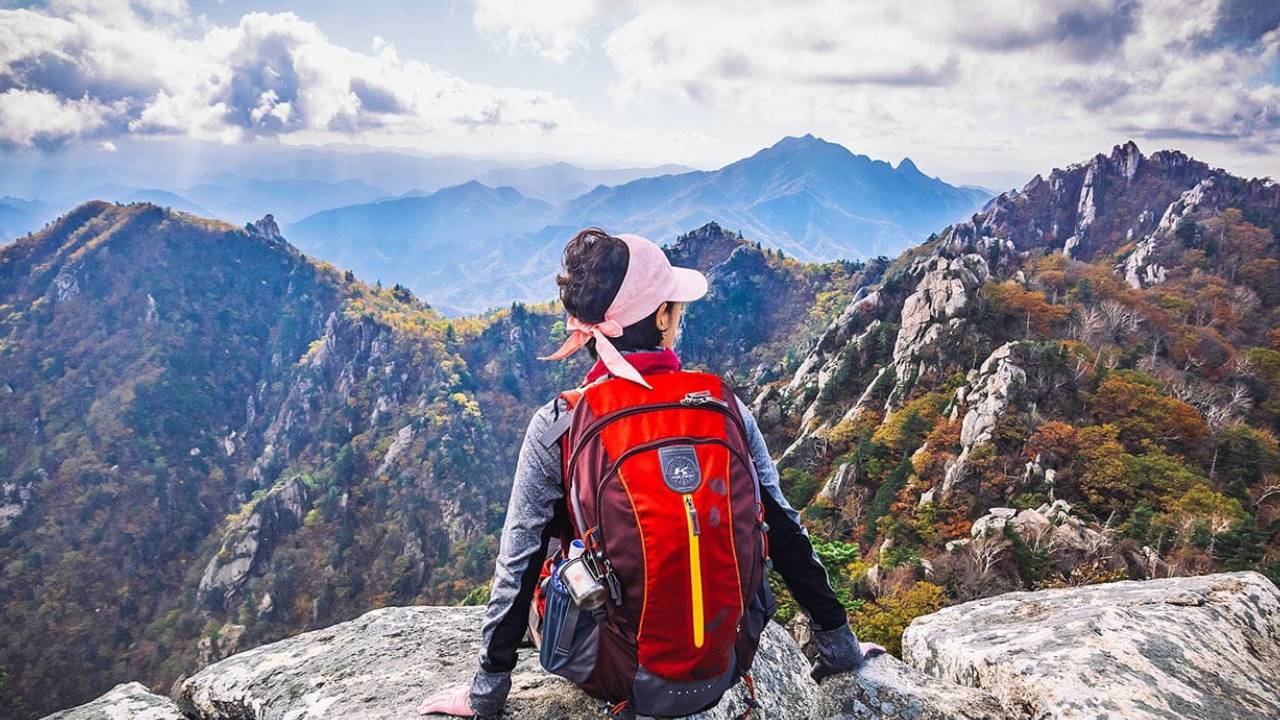
Responsible hiking involves respecting both nature and fellow hikers. Stick to designated trails, avoid disturbing wildlife, and maintain a safe distance from cliff edges. In case of emergencies, know the trail's exit points and nearby landmarks. Familiarise yourself with basic navigation techniques using a map and compass. Let someone know your hiking plans, including your expected return time. This precaution can be crucial if you get lost or injured. Stay hydrated, protect yourself from the sun, and trust your instincts when deciding whether to proceed or turn back.